




Unlocking forest monitoring through open-source innovation: explore Open Foris
June 24, 2026
Strengthening forest monitoring across Asia and the Pacific with Open Foris Arena
August 18, 2026

17/07/2026
FAO has launched a new digital publication, Transparency in practice: Country experiences using Open Foris for climate reporting, which explores how countries are using free and open-source digital solutions to improve forest and land-use data for climate reporting.
The publication draws on lessons from the first cycle of Biennial Transparency Reports (BTR), National Inventory Documents (NID) and REDD+ Technical Annexes submitted under the Enhanced Transparency Framework of the Paris Agreement (ETF). It brings together key findings from United Nations Framework Convention on Climate Change (UNFCCC) synthesis reports, Technical Expert Reviews and a systematic review of national submissions.
Under the ETF, countries report on their greenhouse gas emissions and removals and track progress towards their Nationally Determined Contributions (NDC). As forests and land use play a major role in many national climate commitments, reliable and consistent data are essential for producing credible reports and informing climate action.
However, the publication shows that significant challenges remain. Land Use, Land-use Change and Forestry (LULUCF) is the most frequently reported area of capacity-building need in BTR. Countries continue to face difficulties in collecting, managing and processing data, tracking land-use changes consistently over time, developing complete time series and applying appropriate emission factors.
“The challenge countries are facing is not only the knowledge of reporting requirements, but the absence of solutions to collect, manage and process the underlying data,” said publication authors Takayuki Ishikawa and Rocio Cóndor-Golec. “The experiences presented in this publication show how Open Foris, FAO’s suite of free and open-source solutions for forest and land monitoring, can help countries strengthen their national systems, build on existing work and prepare more efficiently for future reporting cycles.”
The new publication highlights how Open Foris can help address these gaps. Open Foris tools support countries in collecting field and satellite data, analysing land-use change, managing national forest inventory information and strengthening quality control.
A review of submissions from 133 countries found confirmed references to Open Foris solutions in the climate reporting documents of 25 countries. Five additional countries referred to Open Foris in improvement plans, capacity-development activities or ongoing initiatives.
The publication presents examples from Africa, Asia and the Pacific, and Latin America and the Caribbean. These include the use of SEPAL for deforestation monitoring in Ecuador, Collect Earth Online for land-use interpretation in Kenya, Arena for forest inventory data processing in Zambia, and Collect Earth for generating land-use change data in Papua New Guinea.
Together, these experiences demonstrate how Open Foris solutions are already supporting countries in overcoming practical reporting challenges. They also show how systems and workflows developed for REDD+ reporting can be expanded and adapted for use in Biennial Transparency Reports and national greenhouse gas inventories.
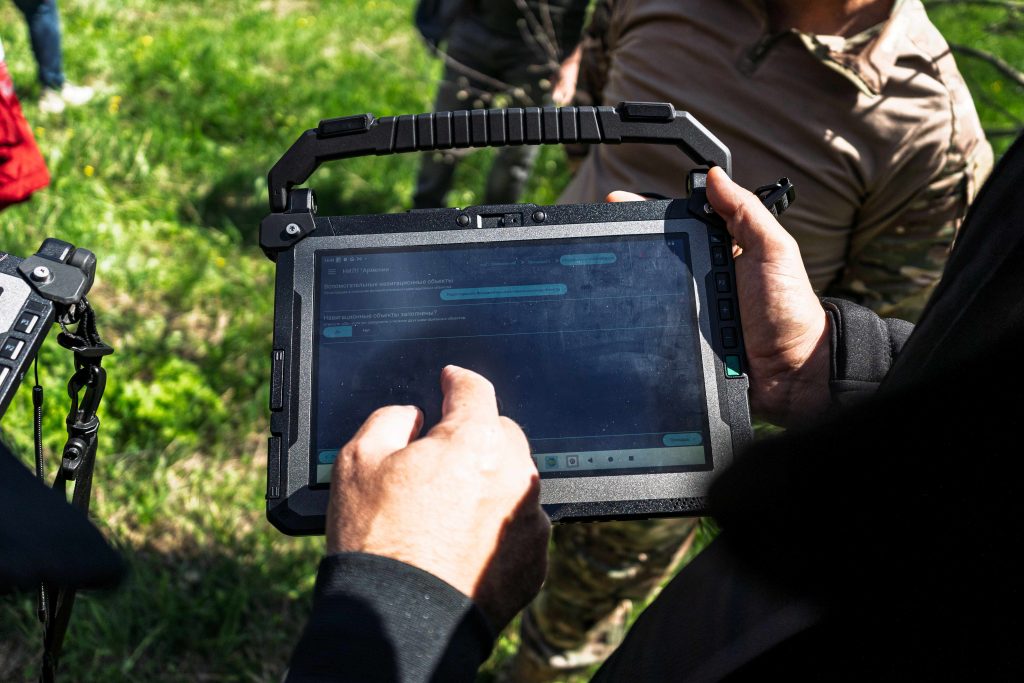
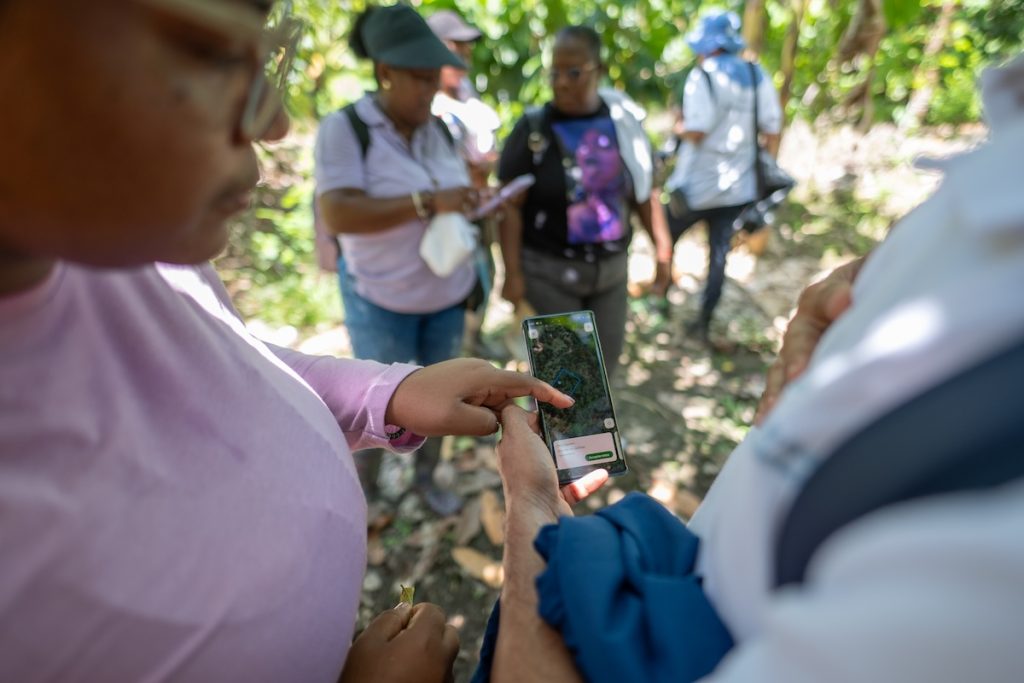
For countries preparing their second BTR, the publication identifies practical entry points. Collect Earth and Collect Earth Online, for example, can help countries develop consistent and transparent land-use datasets through sample-based interpretation of satellite imagery. Arena and Arena Mobile can support the structured collection, validation and management of national forest inventory data, including in remote areas with limited internet connectivity.
FAO Global Forest Resources Assessment (FRA) supports countries through its network of more than 190 officially nominated National Correspondents, helping them produce quality, consistent forest data — including through its Remote Sensing Survey, which trained over 800 experts from 126 countries in data collection using Collect Earth and Collect Earth Online. Since FRA and BTR reporting share complementary indicators and metrics, this experience can help countries strengthen their climate transparency reporting. The publication is intended for policymakers, technical experts and climate transparency practitioners seeking practical approaches to improve forest and land-use reporting ahead of the next Biennial Transparency Report cycle.
It was developed under the project “Building global capacity to increase transparency in the forest sector (CBIT-Forest)”, funded by the Capacity-Building Initiative for Transparency trust fund of the Global Environment Facility, with additional support from the Government of the United Kingdom of Great Britain and Northern Ireland through the AIM4Forests initiative.
Access the publication here: https://storymaps.arcgis.com/stories/4fe5fa9cf84c40f6910f58d47e276fe6
An overview of the full Open Foris suite is available at https://www.openforis.org.